
Clavicular: Understanding the Collarbone, Its Function, and Why It Matters
The human body is full of fascinating structures, and the clavicular region is one of them. You might not think much about your collarbone during your daily routine, but this small, curved bone plays a major role in how your shoulders move, how your arms function, and how your upper body maintains its structure.
Have you ever noticed the prominent bone running between your neck and shoulder? That’s your clavicle, commonly known as the collarbone. Although it looks relatively delicate, it serves as an important connection between your upper limbs and your central skeleton.
In this article, we’ll explore what clavicular means, where the clavicle is located, its functions, common injuries, and ways to support healthy shoulder movement. Whether you’re a student, fitness enthusiast, or simply curious about human anatomy, let’s break it down in simple language.
1. What Does Clavicular Mean?
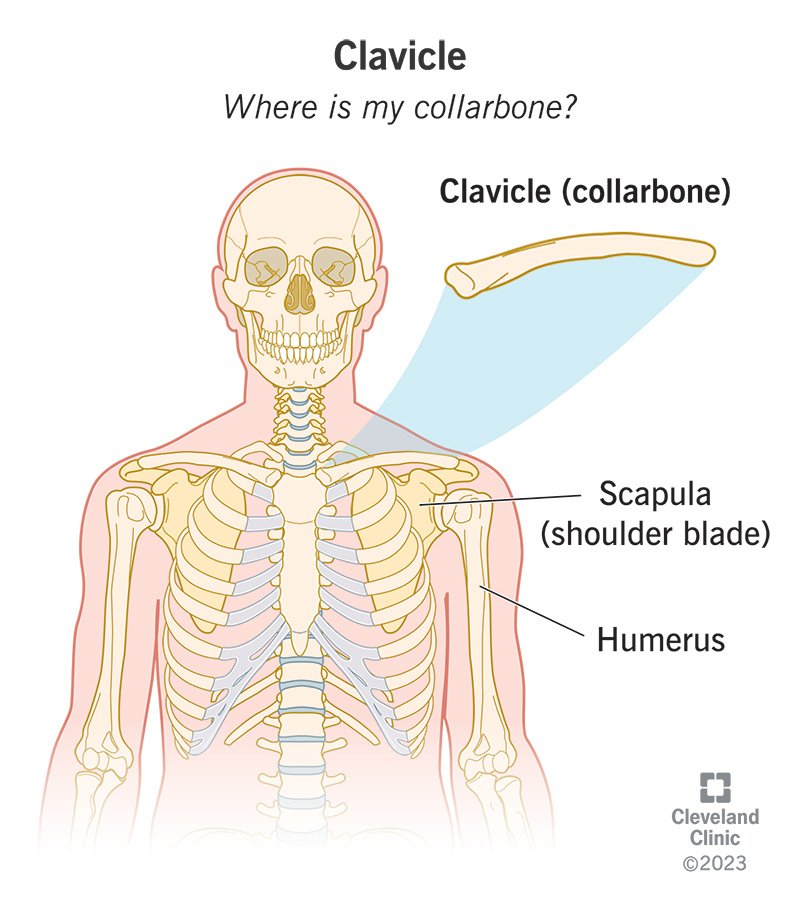
The word clavicular refers to anything related to the clavicle, or collarbone. The clavicle is a long, slightly curved bone located at the top of your chest, connecting the sternum (breastbone) to the scapula (shoulder blade).
You have two clavicles:
- Right clavicle: Connects the right shoulder to the central chest.
- Left clavicle: Connects the left shoulder to the central chest.
Together, these bones help create the framework that supports your shoulders and allows your arms to move freely.
Think of the clavicle as a supportive bridge. It connects your arm’s skeletal framework to your torso while helping maintain the position of your shoulder.
2. Where Is the Clavicle Located?
The clavicle sits horizontally across the upper chest, just below the neck. You can usually feel it by gently touching the area between your neck and shoulder.
Each end of the bone connects to another structure:
- Medial end: Connects to the sternum at the sternoclavicular joint.
- Lateral end: Connects to the acromion of the scapula at the acromioclavicular joint.
These connections help stabilize the shoulder while allowing coordinated movement.
The clavicle also lies above important nerves and blood vessels that travel toward the arm. Because of its position, injuries to this region can sometimes affect nearby soft tissues.
3. The Main Functions of the Clavicle
Why do we need a collarbone? It does much more than simply create a visible line across your chest.
Supports Shoulder Position
The clavicle helps hold the shoulder away from the chest. This positioning provides the shoulder with space and leverage for arm movement.
Without this bony connection, the shoulder’s relationship with the torso would be significantly different.
Transfers Forces
When you push, pull, lift, or carry something, forces travel between your arm and your torso. The clavicle helps transmit those forces through the shoulder girdle.
Imagine a bridge carrying traffic between two areas. The clavicle serves a similar structural role in the skeleton.
Protects Nearby Structures
The clavicle provides some protection for underlying structures, including blood vessels and nerves. However, it is not a complete shield, and serious injuries can affect the tissues beneath it.
Enables Arm Movement
The clavicle moves alongside the scapula during shoulder activities. This coordinated movement supports reaching overhead, lifting objects, and moving your arms across your body.
4. Clavicular Anatomy: Understanding Its Structure
The clavicle has a distinctive S-shaped curve. Its inner portion generally curves forward, while the outer portion curves in the opposite direction.
This shape contributes to its strength and positioning within the shoulder girdle.
The bone contains several important anatomical features:
Sternal end: The end closest to the center of the chest. It connects to the sternum.
Acromial end: The outer end, which connects to the acromion of the scapula.
Shaft: The long central section between the two ends.
The clavicle is classified as a long bone, although it has a distinctive shape compared with bones such as the femur or humerus.
Several muscles and ligaments attach to or interact with the clavicle. These connections help stabilize the shoulder and coordinate upper-body movement.
5. Common Clavicular Injuries
Because the collarbone is relatively exposed, it can be vulnerable to injury, particularly during falls, sports, and collisions.
Clavicle Fracture
A clavicle fracture occurs when the collarbone breaks. It is a common injury, especially after falling directly onto the shoulder or landing on an outstretched arm.
Typical symptoms may include:
- Pain around the collarbone.
- Swelling or bruising.
- Difficulty moving the affected arm.
- Tenderness when touching the area.
- A visible change in the bone’s shape in some cases.
Treatment depends on the fracture’s location, alignment, and severity. Some fractures heal with a sling and appropriate medical supervision, while others may require surgery.
Important: A suspected collarbone fracture should be assessed by a medical professional, especially if there is severe pain, numbness, an open wound, or difficulty breathing.
Acromioclavicular Joint Injury
The acromioclavicular (AC) joint connects the clavicle to the acromion. A fall or direct impact to the shoulder can injure the ligaments supporting this joint.
Symptoms may include pain at the top of the shoulder, swelling, and difficulty raising the arm. The severity of an AC joint injury varies, so assessment is important before returning to sports or heavy lifting.
6. Clavicular Pain: What Could Cause It?
Pain near the collarbone can have several possible causes. The location of discomfort alone cannot establish a diagnosis.
Common possibilities include:
- Muscle strain following exercise.
- Joint irritation around the shoulder.
- Direct injury or bruising.
- Clavicle fracture.
- AC joint problems.
- Irritation involving nearby tissues.
For example, someone who performs repeated overhead exercises may develop shoulder discomfort from muscle or tendon problems, while someone who falls onto the shoulder may have a bone or ligament injury.
Pay attention to when the pain begins, what movements aggravate it, and whether swelling or other symptoms appear.
If pain is severe, persistent, follows significant trauma, or occurs with chest pain, shortness of breath, or other concerning symptoms, seek prompt medical evaluation.
7. Clavicular Region and Fitness
The clavicular region is important for people who participate in weightlifting, bodybuilding, swimming, and other upper-body activities.
Exercises such as the bench press, overhead press, push-ups, and lateral raises involve structures connected to the shoulder girdle. However, the clavicle itself should not be treated as an isolated muscle-building target because it is a bone.
Instead, focus on developing balanced shoulder strength, maintaining proper technique, and progressing gradually.
Exercises That Support Shoulder Function
Depending on your health and fitness level, general shoulder conditioning may include:
- Scapular retraction exercises.
- Gentle shoulder mobility movements.
- Rotator cuff strengthening.
- Controlled resistance exercises.
- Posture-focused upper-back training.
The right exercise selection depends on your goals and any existing injuries. If you experience collarbone or shoulder pain, avoid pushing through it without understanding the cause.
8. Clavicular Aesthetics and Body Shape
The term clavicular sometimes appears in discussions about bodybuilding and appearance. People may talk about clavicle width, shoulder proportions, or the visual appearance of the upper chest.
Why does this matter?
The clavicle contributes to the overall skeletal framework of the shoulders. Differences in bone structure, muscle development, posture, and body composition can influence how the shoulder area looks.
However, clavicle length and basic bone structure are largely determined by genetics and development. Exercise cannot reliably lengthen the collarbones after skeletal maturity.
What can you improve? Muscle development, posture, and general fitness may change the appearance of the surrounding area. For instance, developing the deltoids and upper back can influence shoulder shape without altering the underlying length of the clavicle.
It is helpful to distinguish between changing muscle size and changing bone structure.
9. How to Maintain Healthy Clavicular Function
Although you cannot control every aspect of your bone structure, you can take practical steps to support your shoulder health.
Use Proper Exercise Technique
Poor lifting technique and excessive training loads can place unnecessary stress on the shoulder complex. Start with manageable resistance and focus on controlled movement.
Support Bone Health
Adequate nutrition, regular physical activity, and appropriate calcium and vitamin D intake support overall skeletal health. Individual nutritional needs vary, and people with specific deficiencies or medical conditions may require personalized advice.
Avoid Ignoring Injuries
A collarbone injury is not something to dismiss simply because the bone looks small. If you experience a fall, direct impact, or sudden pain, allow a qualified healthcare professional to determine whether further evaluation is needed.
Improve Posture and Mobility
A balanced approach to upper-back strength, shoulder mobility, and daily movement can help support comfortable shoulder function. Posture exercises cannot change the length of your clavicle, but they may help you develop better movement habits.
10. Clavicular Health: When Should You See a Doctor?
Knowing when to seek medical care is just as important as understanding anatomy.
Consider getting medical attention if you experience:
- Sudden or severe collarbone pain.
- Pain after a fall or collision.
- Visible deformity or significant swelling.
- Numbness or weakness in the arm.
- Difficulty moving your shoulder.
- Persistent pain that does not improve.
Seek emergency care when collarbone trauma is accompanied by difficulty breathing, severe chest symptoms, or signs of a serious injury.
A healthcare professional can examine the area and decide whether imaging, such as an X-ray, is appropriate.
Conclusion
The clavicular region may seem like a simple part of the body, but the clavicle plays an important role in shoulder structure, stability, and movement. From connecting the upper limb to the torso to helping transfer forces during everyday activities, the collarbone is an essential part of human anatomy.
Understanding the clavicle can help you recognize the importance of shoulder health, exercise safety, and injury awareness. Whether you’re studying anatomy, working on your fitness, or learning about your body, remember that small structures can have significant functions.
Take care of your shoulders, respect your body’s limits, and seek professional medical advice when pain or injury raises concerns.