
In today competitive and fast changing business world success does not depend only on creating a great product or offering an excellent service it depends on how effectively you promote it. Business promotion refers to the collection of marketing activities that aim to increase awareness attract new customers and boost sales.
It encompasses everything from advertising campaigns and social media marketing to public relations personal selling and digital strategies. Promotion is not just about reaching audiences but also about shaping perception building trust and establishing a strong brand identity that lasts. Every business whether a small local shop or a multinational corporation relies on well-planned promotional efforts to stay relevant and thrive in a crowded marketplace.
Understanding Business Promotion
At its core business promotion is the communication link between a company and its target market. It involves informing potential customers about products or services persuading them to make a purchase and reminding existing customers of a brands value. It can be short term like a discount campaign or long-term like a continuous branding effort. Promotion is one of the four key elements of the marketing mix Product Price Place and Promotion the 4 Ps which form the foundation of marketing strategy.
Effective promotion requires understanding who your audience is what they need and how they prefer to receive information. A good promotional campaign does not just aim for visibility it aims for connection. The message must resonate with customer values emotions and lifestyle. When done right business promotion transforms casual awareness into brand loyalty.
The Importance of Business Promotion
Promotion is not optional it is essential. Even the best product in the world wont sell if no one knows it exists. Businesses use promotion to achieve several key objectives
Creating Awareness
The first step in gaining customers is letting them know your business exists. Whether through social media TV or print media promotion spreads awareness about your products or services.
Building Brand Identity
Consistent and creative promotion helps businesses develop a recognizable image. Over time customers associate certain qualities like reliability innovation or affordability with a brand.
Driving Sales
The most direct goal of promotion is to increase sales. Special offers discounts limited time deals and product launches are powerful tools for attracting buyers.
Establishing Market Presence
In a competitive marketplace businesses need promotion to differentiate themselves from competitors. It highlights what makes a brand unique and worth choosing.
Educating Customers
Promotion is not just about selling its also about informing. By explaining features benefits and uses of products companies help customers make informed decisions.
Customer Retention
Reaching new customers is important but keeping existing ones is more cost effective. Regular promotional communication through newsletters loyalty programs and personalized offers keeps customers engaged and loyal.
Supporting Business Growth
As a business expands consistent promotion helps penetrate new markets attract investors and maintain momentum.
Without promotion a business remains invisible. Its like having a store in the middle of a desert well stocked but unseen. Promotion brings the store to the city square where people can notice explore and buy.
Types of Business Promotion
Business promotion can be categorized into several main types based on goals channels and strategies. Each serves a unique purpose in a company marketing plan.
Advertising
Advertising is one of the most common and powerful forms of promotion. It involves paying to place messages in front of potential customers through various media such as television radio newspapers magazines billboards and the internet.
Modern advertising has evolved dramatically with the rise of digital platforms. Today businesses use social media ads, Google Ads YouTube videos and influencer marketing to reach global audiences at a fraction of traditional costs. The key advantage of advertising is its ability to reach large numbers of people quickly and repeatedly.
Sales Promotion
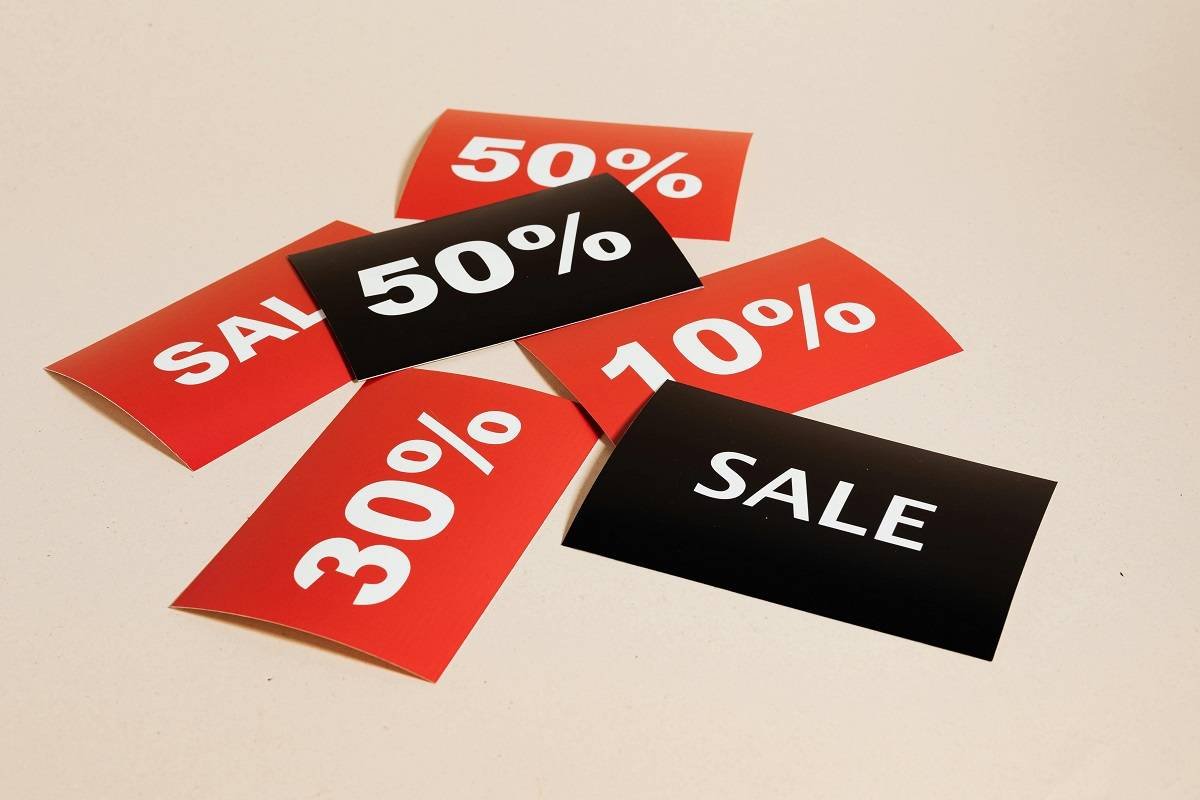
Sales promotions are short term incentives designed to stimulate quick purchases. Examples include discounts coupons buy one get one free offers contests and seasonal sales. These activities are highly effective in creating urgency and increasing immediate sales. However they must be used strategically too many discounts can harm a brand’s perceived value over time.
Personal Selling
This is a more direct and personal approach to promotion. It involves face to face interaction between sales representatives and potential customers. Personal selling is most common in industries where purchases involve significant investment such as real estate automobiles or B2B products. A skilled salesperson can tailor their pitch address concerns and build long-term relationships.
Public Relations PR
Public relations is about managing a company image and building goodwill with the public. Unlike advertising PR often focuses on earned media coverage through press releases media interviews corporate social responsibility activities and community engagement. Effective PR enhances credibility and reputation which in turn supports customer trust and loyalty.
Direct Marketing
Direct marketing targets individuals rather than broad audiences. It includes email marketing SMS campaigns telemarketing and direct mail. These methods allow businesses to personalize their messages and measure responses more precisely. With data analytics companies can tailor their communication to match customer behavior and preferences.
Digital and Social Media Marketing
In today digital era social media has revolutionized business promotion. Platforms like Facebook Instagram LinkedIn and TikTok enable companies to connect with millions of users engage in conversations and build communities around their brands. Paid ads content marketing influencer collaborations and user generated campaigns are all part of this promotional mix.
Digital marketing also includes search engine optimization SEO pay per click PPC advertising and content marketing all designed to increase online visibility and drive website traffic.
Sponsorships and Events
Businesses often sponsor sports teams cultural events or industry conferences to promote their brand in a relevant environment. Sponsorship not only increases visibility but also builds positive associations. Similarly hosting or participating in trade shows webinars and exhibitions allows businesses to interact with potential clients directly.
Effective Business Promotion Strategy
Creating an effective promotion plan requires research planning and execution. Below are the essential steps
Identify Your Target Audience
Knowing who you want to reach is the foundation of successful promotion. Analyze demographics buying habits and interests. Understanding your audience ensures that your promotional message is relevant and compelling.
Set Clear Goals
Every promotional activity should serve a purpose whether its to increase sales improve brand recognition or enter a new market. Clear objectives help guide your choice of tools and measure success.
Craft a Strong Message
The promotional message should highlight what makes your business unique. It must be simple clear and emotionally appealing. Great campaigns often focus on how the product improves the customer’s life rather than just its features.
Choose the Right Channels
Select promotional channels based on your audience preferences. For example younger audiences may respond better to social media campaigns while corporate clients might prefer professional newsletters or webinars.
Set a Budget
Determine how much you can afford to spend on promotional activities. The budget should be realistic and proportionate to expected returns. Its often smart to allocate funds across multiple platforms to maximize reach.
Implement and Monitor
Once your campaign is live monitor its performance closely. Track metrics such as website visits click through rates and sales conversions. This helps identify what working and where adjustments are needed.
Evaluate and Improve
After the campaign ends analyze results against goals. Learn from both successes and failures. Continuous improvement ensures that each new promotional effort becomes more effective than the last.
Modern Trends in Business Promotion
Promotion strategies evolve constantly as technology and consumer behavior change. Today businesses are adopting new trends to stay competitive
Influencer Marketing Partnering with social media influencers helps brands reach targeted audiences authentically.
Content Marketing Blogs podcasts and videos educate and entertain audiences while promoting products indirectly.
Personalization Tailored offers and messages create stronger connections with customers.
Automation Tools Marketing automation platforms streamline email campaigns ad placements and analytics.
Sustainability Messaging Customers increasingly prefer brands that demonstrate environmental and social responsibility.
Interactive Marketing Quizzes polls and augmented reality AR ads enhance engagement and create memorable experiences.
Challenges in Business Promotion
While promotion offers many benefits it also comes with challenges. Businesses face issues like high advertising costs message fatigue among consumers and difficulty standing out in a saturated market. Moreover maintaining a consistent brand message across multiple channels can be complex.
To overcome these hurdles businesses must focus on creativity authenticity and data driven decision making. Listening to customer feedback and staying adaptable to market trends can also ensure continued promotional success.
Frequently Asked Questions
What is the main goal of business promotion?
The main goal of business promotion is to increase attract new customers and boost sales by communicating the value of a product or service effectively to the target audience.
How does digital marketing impact business promotion?
Digital marketing has made business promotion more efficient and measurable. It allows businesses to target specific audiences, track campaign results in real time, and adjust strategies for maximum impact.
What is the difference between advertising and promotion?
Advertising is a form of promotion but not all promotion is advertising. Promotion includes all activities aimed at increasing awareness and sales such as discounts PR campaigns personal selling and direct marketing.
How can small businesses promote effectively on a low budget?
Small businesses can leverage social media content marketing SEO and word of mouth to promote their products or services cost effectively. Building relationships and offering great value are key.
Why is consistency important in business promotion?
Consistency ensures that customers recognize and trust your brand. Repeated exposure to a consistent message strengthens brand identity and helps build long-term customer loyalty.
