
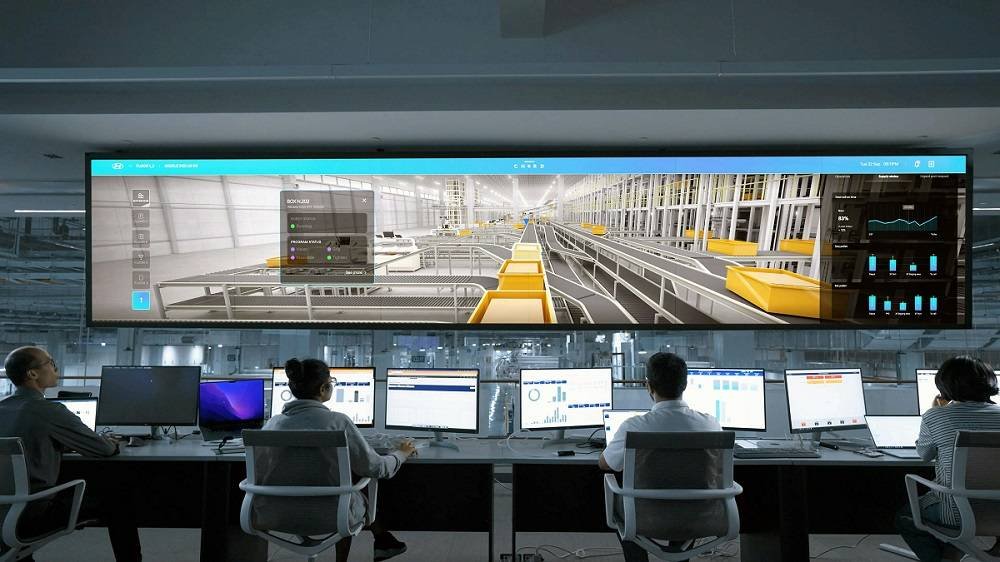
In the modern business landscape the word efficiency has taken on a whole new meaning with the rise of automation. What once required teams of employees stacks of paperwork and hours of manual effort can now be completed with the help of intelligent systems that never sleep. Automation has become the silent engine powering many successful organizations transforming how businesses operate manage time and deliver results.
Its no longer a futuristic concept but a practical necessity that enhances productivity accuracy and overall performance. The beauty of automation lies in its ability to take over repetitive time consuming tasks and allow human workers to focus on strategy innovation and creativity the very elements that drive long term growth.
How Automation Redefines Business Efficiency

When we talk about business efficiency its important to recognize that automation does not merely streamline tasks it redefines the entire workflow structure. Traditionally employees were responsible for countless administrative duties such as data entry scheduling email management and inventory tracking. These are crucial but often mundane tasks that consume a significant portion of working hours.
From Manual Labor to Smart Systems
Through technologies like robotic process automation RPA and artificial intelligence AI businesses can now handle these processes automatically with precision and consistency. For instance an automated payroll system can calculate salaries generate payslips and ensure compliance with tax regulations without human oversight. The time saved from such automation allows management and staff to redirect their energy toward business development customer engagement and decision making areas that truly move the needle forward for a company growth and profitability.
Enhancing Accuracy and Decision Making Through Automation
Another critical aspect of automation in business efficiency is its impact on data accuracy and decision making. In any modern enterprise data is the foundation of all strategy. Every marketing plan customer insight and operational improvement depends on accurate data.
Real Time Data and Better Insights
Manual data handling often leads to inconsistencies errors or delayed reporting which can affect business outcomes. Automation however ensures that data collection and analysis happen in real time. Tools powered by AI can analyze customer behavior financial performance and supply chain trends instantly giving business leaders the power to make informed decisions quickly.
Moreover automation eliminates the risk of human error ensuring that every report or metric is precise and reliable. The result is faster smarter decision making that leads to more efficient operations and better forecasting for the future.
Improving Customer Experience Through Automation
Automation also plays a vital role in enhancing customer experience which is now one of the most important indicators of business success. Today customers expect fast responses seamless communication and personalized service and automation makes all of this possible.
Chatbots and Smart Communication Tools
Chatbots for example are capable of handling thousands of customer queries simultaneously providing instant responses and freeing up human agents to address more complex issues. Automated marketing systems can segment audiences send personalized emails and track engagement without manual intervention. Even customer onboarding processes can be streamlined through automated systems that ensure accuracy and consistency at every step. The end result is a smoother more efficient customer journey that builds loyalty and satisfaction two elements that directly influence long term profitability.
Cost Reduction and Operational Savings
One of the most tangible benefits of automation is cost reduction. When businesses automate tasks that once required large teams they not only save on labor costs but also reduce errors that could lead to financial losses.
How Automation Lowers Overhead Costs
In manufacturing for instance automated machinery improves production speed while maintaining product quality. In the service industry automated scheduling systems eliminate time wasted on coordination and rescheduling. Over time these savings accumulate into significant financial benefits that improve a company bottom line. Furthermore automation allows businesses to scale their operations without proportionally increasing costs. Whether its handling a surge in orders or managing a global customer base automation ensures that businesses can expand efficiently while maintaining control over expenses.
Boosting Employee Productivity and Morale
Beyond operational and financial efficiency automation also transforms the employee experience. Contrary to popular belief automation does not necessarily replace jobs it reshapes them.
From Routine Tasks to Creative Roles
By removing monotonous and repetitive tasks it allows employees to engage in more meaningful creative and strategic work. This shift leads to higher job satisfaction improved morale and stronger innovation within the workforce. Employees become problem solvers rather than task executors which contributes to a culture of growth and adaptability. Businesses that embrace automation responsibly often see improved employee retention because workers feel more valued when they can focus on impactful work rather than tedious routines.
Strategies for Implementing Automation Effectively
To fully realize the benefits of automation strategic implementation is key. Not every process should or can be automated effectively.
Choosing the Right Tasks to Automate
Companies need to evaluate which tasks are repetitive rule based and high in volume these are usually the best candidates for automation. The next step involves selecting tools and technologies that align with the company needs and existing systems. For instance integrating automation into accounting CRM or supply chain platforms ensures smooth data flow and minimal disruption.
Training and Change Management
Training and change management are equally important because employees must understand how to use and collaborate with automated systems. When implemented correctly automation becomes a partner rather than a disruptor a tool that complements human intelligence rather than replacing it.
Challenges and Risks of Automation
Of course the rise of automation also comes with challenges that businesses must address.
Job Displacement Concerns
One of the main concerns is the fear of job displacement. While automation may reduce the need for certain manual tasks it also creates new opportunities in technology management analytics and software development. Forward thinking companies invest in reskilling programs to prepare their workforce for these new roles.
Cybersecurity and Data Privacy
Another challenge is cybersecurity as automated systems often handle large amounts of sensitive data. Businesses must ensure robust encryption regular audits and strong access controls to maintain data integrity.
Balancing Technology and Human Touch
Lastly organizations must strike the right balance between automation and human interaction. While automation brings speed and accuracy it should never replace the empathy creativity and judgment that humans bring to the workplace.
The Future of Automation and Business Growth
Looking toward the future the role of automation will only grow stronger as technologies such as artificial intelligence machine learning and the Internet of Things IoT continue to evolve. Businesses that adopt these innovations early will position themselves ahead of competitors by achieving greater speed precision and scalability.
Automation as a Long-Term Strategy
Automation will not just optimize existing processes but also open the door to entirely new business models and revenue streams. The companies that succeed will be those that see automation as a journey one that requires continuous improvement innovation, and adaptation. Efficiency will no longer be about reducing effort but about maximizing potential and automation will be the driving force behind that transformation.
