

Across the world, a fast and intense race is being run. Countries are being compared not only by their factories or natural resources, but by their ideas, startups, and innovation. In this global economy, new companies are being created every day, and many of them are being powered by technology. Behind most successful startups, one important force is usually found: venture capital, often called VC.
Venture capital is money that is invested in young companies with big ideas and high risk. This money helps startups grow, hire workers, build products, and enter global markets. In places like the United States and parts of Asia, strong VC ecosystems have already been built. These ecosystems have helped create world-famous companies and millions of jobs.
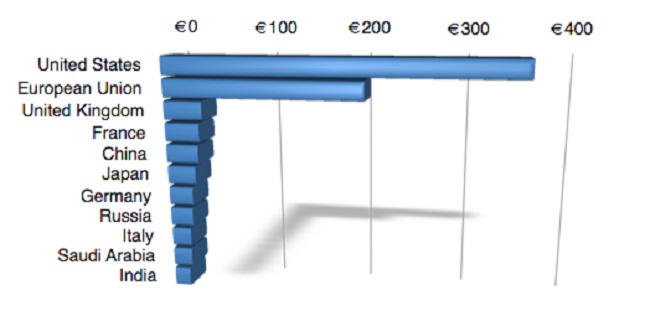
In Europe, however, a serious problem is being faced. While many smart people, strong universities, and creative ideas are found across the continent, the venture capital ecosystem has not developed to the same level as in the U.S. and China. Because of this, Europe is being placed at a disadvantage in the global economy. If this situation is not changed, Europe’s future growth and influence could be weakened. This has been noted by analysts, including in recent studies of European innovation and competitiveness. To Compete in the Global Economy, Europe Needs to Boost Its VC Ecosystem (Harvard Business Review)
What Is Venture Capital and Why Is It Important?
Venture capital is a type of investment that focuses on high-risk, high-growth potential companies. Instead of being borrowed like a bank loan, this money is exchanged for a share in the company. If the startup succeeds, both the founders and the investors benefit.
This type of funding is important because many new ideas are risky and banks often refuse to support them due to lack of guarantees. Venture capital fills this gap. It allows innovation to be tested, even when failure is possible. Without VC funding, many bright concepts never become real products or services.
In the global economy today, innovation is highly valued. New technologies, medical treatments, clean energy solutions, and digital services are being created by startups every day. When these startups are backed by strong VC systems, entire industries can be transformed, helping economies grow and compete internationally.
For reliable background on what venture capital is and how it differs across regions, see this detailed overview. Venture capital explained (Wikipedia)
Europe’s Strengths Are Being Underused
Europe is not lacking talent. Some of the world’s best universities are located there. Skilled engineers, scientists, designers, and entrepreneurs are found in almost every European country. Strong research is being done, and creative ideas are being produced every day. Yet, these strengths are not fully converted into world-leading companies.
A major reason is funding Europe has fewer large VC funds compared to the U.S., and early-stage investment is limited. According to investment research, Europe attracted strong VC funding in 2023, including €53 billion for tech startups, but most of this came from specialised impact investments and smaller rounds rather than large growth-stage rounds that help build global champions.
How Europe Is Falling Behind in the Global Economy
In the global economy, speed matters. Startups must grow quickly to compete worldwide. In regions with strong and deep VC ecosystems, large investments are made early, allowing companies to scale fast. In contrast, European funding rounds on average remain smaller and slower compared with the U.S. and China. This trend has been highlighted by analysts: European VC deals are 40% less likely to receive significant funding compared to the United States.
Another issue is fragmentation. Europe is made up of many countries, each with different laws, tax systems, and regulations. This makes cross-border investment more complex and costly. A detailed European Commission report discusses how fragmentation still affects startup connectivity between regions, hindering continent-wide growth. Beyond Fragmentation: Connecting Europe’s Startup Ecosystems (EU report)
Why a Strong VC Ecosystem Matters for the Future
A strong venture capital ecosystem does more than help startups. It shapes the future of an economy. When VC funding is widely available, entrepreneurship is encouraged. More people are willing to start companies because support is possible.
Innovation accelerates when money, talent, and ideas work together. New solutions to global problems — such as climate change, healthcare challenges, and digital transformation — can be developed and shared worldwide. Economic resilience improves when many small and medium firms exist, rather than dependence on a few major corporations.
Cultural Barriers That Are Holding Europe Back
Culture plays a powerful role in shaping economic behavior. In many parts of Europe, business failure has traditionally been viewed negatively. When a startup fails, it is often seen as personal failure rather than a learning experience a mindset that discourages risk-taking.
In strong VC ecosystems, failure is usually accepted as part of innovation. Investors, founders, and workers expect some ventures to fail and celebrate lessons learned. In Europe, greater support for risk-taking and more encouragement for young entrepreneurs are needed.
This cultural shift must be supported by education, media narratives, and business communities. Celebrations of startup success even after initial failures — can help create a stronger entrepreneurial culture.
Regulations and Complexity Are Slowing Growth
Regulations in Europe are often designed to protect workers, consumers, and the environment which are important goals. However, overly complicated systems can slow startups that lack resources to navigate them. Startups often struggle with legal and administrative burdens that larger companies can easily handle. This slows growth and discourages investment.
Efforts are underway to simplify these barriers, including European Union initiatives to harmonise rules and make cross-border business easier. For example, new EU strategies are planning large funds and simplified startup regulations to help reduce barriers.
The European Investment Bank has also called for major regulatory reforms to allow startups to operate more freely across the EU.
The Funding Gap Must Be Closed
One of the biggest problems with Europe’s VC ecosystem is the funding gap especially for later-stage investments that allow startups to grow globally. Early-stage funding is becoming stronger, but many companies struggle to find the larger investments needed to scale.
This forces promising startups to sell early or relocate abroad where capital is available. Europe loses long-term value when this happens.
Public and private sectors must work together to fill this gap. Government funds that share risk with private investors have the potential to attract more capital into the ecosystem.
Education and Skills Must Be Connected to Startups
Education is one of Europe’s strongest assets, but stronger connections between universities and startups are needed. Too often great research remains in laboratories instead of turning into real businesses. Entrepreneurship education such as business building, financial literacy, and design thinking should be part of school and university curricula.
When young people are exposed to entrepreneurship early, a pipeline of future founders and innovators emerges. This strengthens the ecosystem over time.
Diversity and Inclusion
Another challenge is equity in funding. Female and diverse founders often face more difficulty in accessing VC funding. In Europe, women are significantly underrepresented among founders who receive VC financing. This issue is recognised by gender equity researchers and highlights why more inclusive investment practices are essential.
Addressing biases and structural barriers brings new ideas into the ecosystem and increases economic impact for everyone.
Public and Private Sectors Must Work Together
A powerful VC ecosystem cannot be built by the private sector alone. Governments also have an important role to play through clear policies, smart incentives, and supportive infrastructure.
Public funding can be used to attract private investment. For instance, EU-wide programs are being developed to support scaleup companies and take stakes in high-growth firms examples of how public-private collaboration can work.
Europe’s Global Opportunity Should Not Be Missed
The global economy is changing rapidly. Breakthrough technologies such as artificial intelligence, biotechnology, and clean tech are shaping the future. Europe has the talent and values to lead in these areas, but leadership will not be automatic without investment and supportive ecosystems.
If Europe fails to boost its VC ecosystem, other regions will continue to move ahead, increasing Europe’s dependence on foreign technologies and companies.
A Stronger Europe Through Stronger VC
In conclusion, to compete in the global economy, Europe must unleash a powerful venture capital revolution. This is not just an economic choice it is a strategic necessity.
Talent, ideas, and research are already present. What is missing is enough risk capital, supportive culture, and coordinated action. These gaps can be closed with the right mindset and policies.
If venture capital is empowered, Europe can accelerate innovation, support startups to scale, create high-quality jobs, and strengthen its position in the global economy with confidence and resilience.
