

Starting your own HVAC business is one of the most exciting and challenging steps you can take in your professional journey. The industry is growing customer demand is strong year-round and the push toward energy efficiency and modern comfort solutions creates new opportunities every day. Yet, while the technical side of HVAC may already feel familiar, running an HVAC business comes with a completely different level of complexity.
Many highly skilled technicians assume that great workmanship is enough to succeed only to discover that marketing, financing hiring, customer retention regulatory compliance and operational structure play equal if not bigger roles in long-term success. This is where early mistakes can cost thousands of dollars damage your reputation and put your company at risk before it has a chance to develop. Building a strong foundation from the start is the only way to grow confidently and sustainably and understanding the do’s and don’ts of launching an HVAC business will save you from many avoidable pitfalls.
Create a Strategic Business Plan
One of the biggest mistakes new HVAC business owners make is rushing into the field without a clearly defined well developed business plan. Many technicians are confident in their technical skills but underestimate the importance of mapping out how the business will run what services it will focus on and how it will generate consistent revenue. A strong business plan forces you to define your company’s mission, brand identity, target customers, pricing structure, and marketing strategy.
It also makes you analyze your operational needs vehicles tools inventory software and staffing while planning for initial cash flow fluctuations. A good business plan acts as the roadmap for your company guiding decision making and helping you avoid costly detours. Without it you’re essentially guessing your way through the early phase of business ownership which is where most start up failures happen. Whether you create it yourself or hire a consultant, committing to a detailed plan is the first key step toward business longevity.
Don’t Try to Serve Everyone
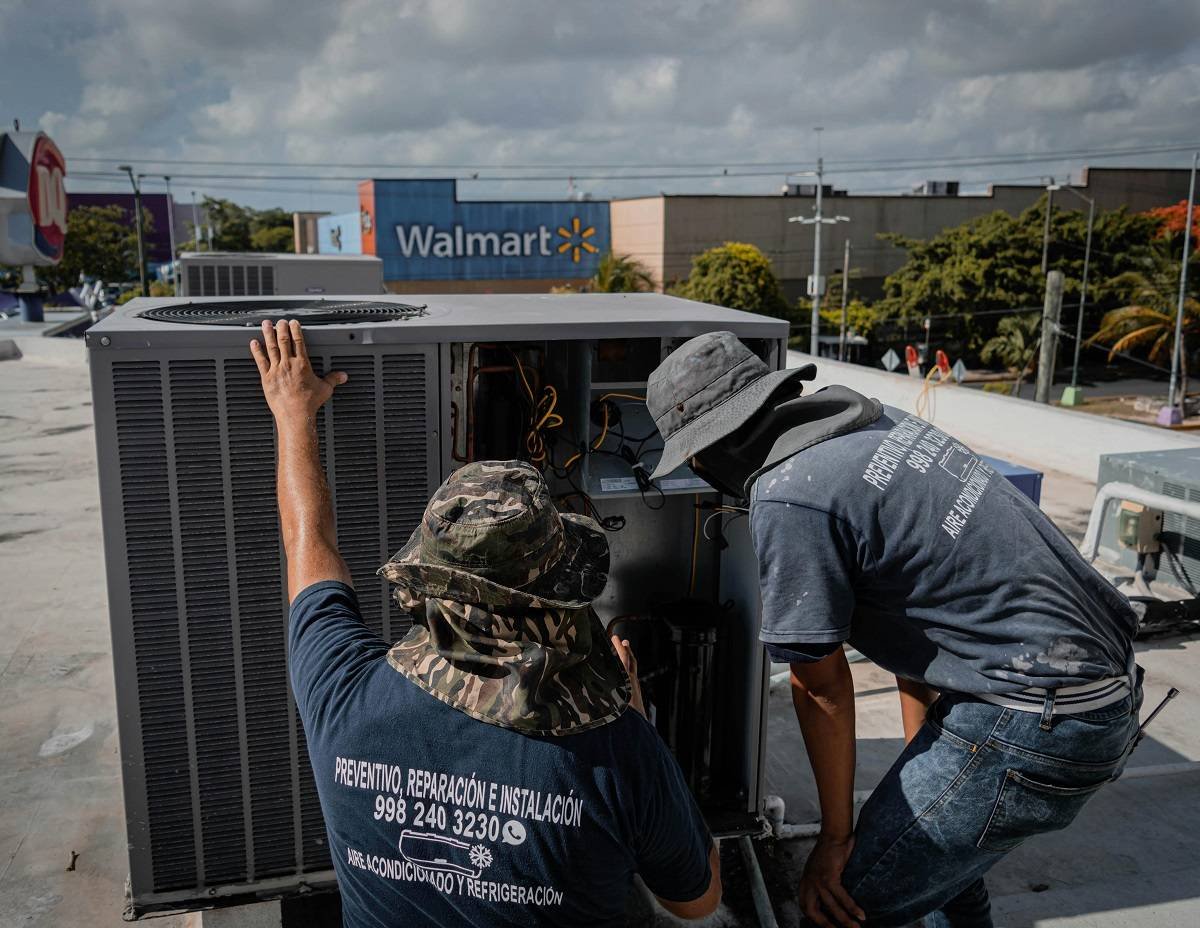
New HVAC entrepreneurs often feel pressure to be everything to everyone. They take on every service call quote every installation, and promise every type of HVAC work even if they do not have the resources or expertise to do it effectively. Spreading yourself too thin leads to burnout inconsistent service quality and dissatisfied customers. Instead of trying to cover the entire HVAC universe during your first year choose a focused service area that aligns with your strengths.
Maybe your specialty is residential AC replacements ductless systems heat pumps commercial maintenance refrigeration or indoor air quality. Start with what you are best at and expand gradually as your team grows. Targeted service offerings also make your marketing more effective because customers know exactly what you excel in. Remember specialization builds reputation faster than generalization especially when your business is new.
Invest in Branding Marketing
No matter how talented you are in the field customers find you unless you invest aggressively in branding and marketing. In the digital age your business identity matters a modern logo consistent brand colors professional uniforms and a clean branded vehicle wrap all contribute to your first impression. Equally important is your online presence. A professional website with clear service descriptions reviews photos and a booking option is essential.
Beyond the website your Google Business Profile is your strongest digital asset. This listing determines whether you show up in local searches maps and near me results. Encourage satisfied customers to leave reviews upload photos, and interact with your listing to establish credibility. Social media especially Facebook and Instagram also play important roles in local marketing helping you build trust and recognition within your community. Consider running paid ads email marketing campaigns and content marketing strategies to maintain visibility. Marketing is not an expense its an investment in your company long term success.
Importance of Professional Customer Service
Good customer service in the HVAC industry goes far beyond being polite. It involves punctuality professional communication transparent pricing clean work habits and follow-through. New business owners often focus heavily on the technical side and forget that customers judge the overall experience. You must remember that HVAC service involves entering customers homes handling their comfort needs and interacting directly with their families.
If homeowners feel ignored disrespected confused or pressured they will not do business with you again and they definitely recommend you to others. Clear communication up front about pricing timelines equipment options, and warranties is essential. Train yourself and your team to avoid surprise charges messy work areas and rushed explanations. Create customer service checklists to ensure consistency and follow up with customers after each service call. Exceptional customer care builds loyalty and referrals faster than any advertisement.
Build Strong Vendor Relationships
When starting your HVAC business your relationships with suppliers distributors and manufacturers are critical. These partnerships determine the pricing you receive the product availability you can access and the speed at which you can deliver installations or repairs. Establish accounts early with trusted HVAC supply houses and distributors. Get to know your reps attend trainings and take advantage of partner programs and equipment incentives.
Reliable vendor relationships improve your margins give you technical support when you need it and ensure you always have access to the right equipment parts and materials especially during peak season shortages. The strongest HVAC businesses rely on suppliers who understand their needs and offer dependable service credit terms and warranty support. Good vendor relationships reduce downtime increase efficiency and make your business more resilient during busy seasons.
Don’t Ignore Financial Planning Budgeting and Cash Flow Control
Even profitable HVAC companies fail because of poor financial management. When starting your business you must track every dollar and plan ahead for slow periods seasonal fluctuations equipment purchases payroll insurance and unexpected expenses. New business owners often underestimate how long it takes to get paid especially from commercial clients or warranty work.
You need a strong invoicing system clear payment terms and a dedicated budget for reinvesting in your tools marketing and operations. Consider hiring an accountant or using HVAC specific financial software to manage expenses taxes payroll and invoicing. Build a cash reserve early to protect your business from emergencies or off season slowdowns. Financial discipline is one of the most important habits for long term survival in the HVAC industry, and it starts from day one.
Hire Slowly Train Consistently
In HVAC your business is only as strong as your team. The biggest mistake new business owners make is hiring too fast especially when workload spikes. They bring on inexperienced or unreliable technicians out of desperation which leads to callbacks warranty issues customer complaints and damaged reputation. Instead hire gradually and intentionally. Look for technicians who align with your culture values and service approach.
Build a training program that includes technical skills safety procedures customer service training and equipment specific knowledge. Invest in certifications continuing education and manufacturer trainings. Creating a strong culture of teamwork communication and accountability improves your customer experience and reduces turnover. Aim to hire for attitude first and skill second people with the right mindset can be trained while those with poor habits will drag your business down.
Do not Ignore Compliance Licensing Insurance and Safety Requirements
Starting an HVAC business requires more than tools and expertise you must meet strict legal and safety requirements. Many start-ups overlook essential regulations like state licenses, EPA certifications, liability insurance workers compensation permits and code compliance. These are not optional they protect you your customers and your employees.
Operating without proper coverage or licensing can lead to fines lawsuits lost credibility and even criminal charges in some jurisdictions. Additionally HVAC work requires strict adherence to safety practices involving refrigerants electrical systems ladders and confined spaces. Develop strong safety protocols maintain OSHA compliance and ensure all technicians follow company guidelines. Safety and legal compliance should never be afterthoughts they are foundational to running a legitimate long lasting business.
Set Up Systems Processes and Software From the Beginning
Chaos is the enemy of scalability. Many HVAC businesses fail because they operate reactively rather than proactively. They rely on memory handwritten notes or last minute decisions. Instead you must create structured systems for scheduling dispatching invoicing quoting marketing equipment tracking job costing and follow up communication.
Modern HVAC software such as ServiceTitan Housecall Pro Jobber FieldEdge or RapidResponse helps automate your workflow improves customer experience and ensures accuracy. Establishing processes early prevents mistakes reduces stress and keeps your business organized as it grows. Whether its a procedure checklist for technicians a system for managing inventory or a customer follow up protocol consistency is the secret to building a reputable and predictable HVAC business.
Do not Neglect Your Brand Reputation
In the HVAC industry reputation is everything. One negative review unresolved complaint, or poor customer experience can spread quickly online and damage your ability to attract new clients. Always prioritize honesty transparency and follow through.
Communicate clearly with customers about repair vs. replacement options pricing equipment recommendations, and timelines. Honor your warranties and service guarantees. Treat every job big or small, as an opportunity to build long term trust. Reputation builds slowly but disappears quickly so protect it with consistent quality work and reliable service.
Understand Your Market and Build a Competitive Advantage
Not all HVAC markets are the same. Before launching your business, analyze your region climate common system types customer demographics and local competitors. This helps you customize your pricing, marketing and service offerings. For example some markets rely heavily on heat pumps while others see more furnaceAC split systems.
Some areas are dominated by new construction while others serve older homes requiring extensive retrofits. Understanding your market allows you to carve out a competitive niche whether that superior customer service specialized expertise emergency service top tier installations or better maintenance programs. Stand out by offering something that customers value and competitors do not emphasize.
Don’t Overprice or Underprice Your Services Know Your Value
One of the hardest decisions when starting an HVAC business is determining your pricing. Many new owners underprice their services because they fear losing customers while others overcharge without providing enough value. Both approaches lead to problems. Underpricing hurts cash flow undervalues your expertise and attracts price-sensitive customers who are least loyal.
Overpricing without strong justification leads to lost bids and fewer service calls. To avoid these mistakes base your pricing on market research operational costs labor overhead and profit goals. Focus on providing outstanding value rather than being the cheapest or most expensive. Clear consistent pricing builds trust and keeps your business financially healthy.
Commit to Continuous Learning and Industry Adaptability
The HVAC industry evolves faster than ever refrigerant transitions energy standards connected systems variable speed technologies and smart home integrations are just the beginning. Successful HVAC business owners must stay educated attend trainings learn new equipment and invest in ongoing growth.
Adaptability is one of the strongest predictors of long term success. Whether its learning to work with A2L refrigerants upgrading diagnostic tools or embracing modern communication platforms the leaders who stay ahead of the trends outperform those who resist change. Make learning part of your company culture and encourage your team to grow along with the industry.
Don’t Assume That Technical Skill Alone Will Keep You Successful
Being a great technician does not automatically make you a great business owner. Running an HVAC company requires leadership financial discipline communication skills marketing knowledge staff management and strategic thinking. Many technicians who start their own business fail because they expect technical skill to carry them while neglecting the business side entirely.
Recognize that entrepreneurship requires a different set of capabilities and be willing to develop them. You may be the best installer or troubleshooter in your area but if you do not manage finances, market effectively communicate clearly and lead your team with intention your business will struggle. Success requires a balanced focus on both technical and business excellence.
